

The psychology behind your gambling habits understanding the odds and emotions
The Nature of Gambling and Human Behavior
Gambling taps into fundamental aspects of human behavior, often intertwining risk, reward, and emotional response. When individuals engage in gambling, they often seek excitement or an escape from everyday life. This quest for thrill can stem from various psychological needs, including the desire for social connection or the need to assert control over one’s environment. Exploring slots no verification options can help clarify why people gravitate toward games of chance despite the inherent risks.
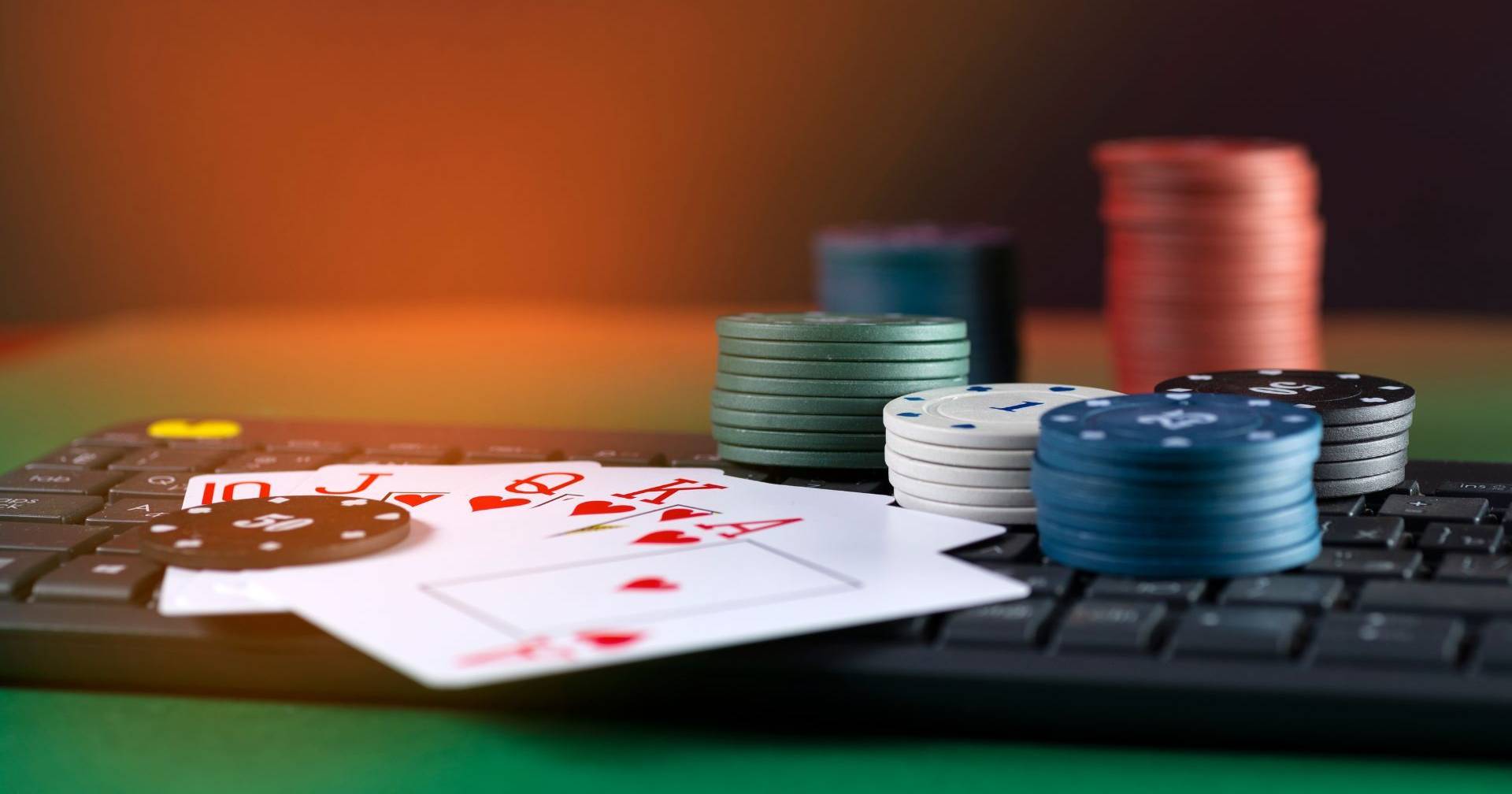
The interplay between anticipation and outcome is significant in gambling psychology. The highs of winning can create a euphoric rush, reinforcing the behavior. Conversely, the lows of losing can lead to despair and addiction if not managed correctly. This emotional rollercoaster can be addictive, as players chase that next win, often ignoring the reality of the odds stacked against them. Recognizing this pattern is crucial for understanding gambling habits and their psychological underpinnings.
Moreover, the social dynamics of gambling cannot be overlooked. Many people gamble not just for the money, but for the camaraderie and shared experiences it provides. The presence of peers can amplify the thrill and emotional stakes of gambling, leading to decisions that may seem irrational when considered in isolation. Thus, the social context of gambling adds another layer to its psychological complexity.
The Role of Cognitive Biases
Cognitive biases play a critical role in shaping gambling behavior. Many gamblers suffer from the illusion of control, which leads them to believe they can influence outcomes through skill or strategy. This misconception is particularly prevalent in games where players feel they have agency, such as poker or blackjack. This false sense of control often encourages continued play, despite unfavorable odds, as players chase perceived opportunities to exert their influence.
The gambler’s fallacy is another cognitive bias that significantly affects decision-making. This belief leads individuals to think that past events influence future outcomes in random games. For example, if a roulette wheel has landed on red several times in a row, some players may feel that black is “due” to win. Understanding these cognitive biases can help individuals recognize when their judgment is clouded, aiding in more rational decision-making in gambling scenarios.
Additionally, availability heuristics can also skew perception. When players witness significant wins publicized in media or through friends, they may underestimate the actual probabilities of winning. This skewed perception can contribute to continued gambling even in the face of mounting losses. Recognizing these biases can empower players to approach gambling more critically and with a clearer understanding of the odds involved.
Understanding Odds and Probabilities
At the core of gambling lies an intricate web of odds and probabilities. Understanding these concepts is paramount for anyone engaging in gambling activities. Each game, whether it’s slots, poker, or sports betting, operates under distinct probability rules that determine potential outcomes. Familiarity with these odds can help players make more informed decisions, potentially enhancing their gambling experience while reducing the likelihood of heavy losses.
The concept of expected value is a vital aspect of understanding gambling odds. Expected value provides insight into how much a player can expect to win or lose in the long run. This mathematical expectation can illuminate whether a game is fair, advantageous, or detrimental over time. Players who grasp expected value calculations are better equipped to recognize which bets are worth placing and which should be avoided.
Moreover, comprehending the house edge is crucial. The house always has an advantage, and understanding how this works can be a game-changer for players. The house edge varies from game to game, and recognizing it allows gamblers to make choices that align with their risk tolerance. Armed with this knowledge, players can approach gambling with a more strategic mindset, aiming to enjoy the experience while minimizing potential losses.
Emotional Responses to Winning and Losing
The emotional responses tied to winning and losing in gambling are profound and multifaceted. Winning can elicit feelings of joy, excitement, and validation, often triggering a desire to continue playing. This euphoric state can lead to overconfidence, encouraging players to make riskier bets in pursuit of more significant wins. These heightened emotions can cloud judgment, prompting players to overlook the odds and the potential for loss.
It’s crucial for gamblers to develop strategies to cope with these emotional highs and lows. Setting limits, practicing mindfulness, and engaging in reflective practices can help mitigate the adverse effects of gambling. Recognizing that emotional responses are a natural part of the gambling experience can empower individuals to approach the activity with a healthier mindset, balancing enjoyment with responsibility.

Conclusion and Exploring the No KYC Casino Experience
Understanding the psychology behind gambling habits reveals a complex interplay of emotions, cognitive biases, and probabilities. Each of these elements contributes to the decisions players make and the experiences they have while gambling. By gaining insights into these factors, individuals can cultivate a more mindful approach to gambling, aiming for enjoyment while minimizing risks.
The No KYC Casino offers an exciting platform for players to explore their gambling habits while enjoying a broad selection of games without the hassles of identity verification. With an array of over 9,000 games and lucrative bonuses, it provides an exciting environment for both novice and seasoned players. The emphasis on player privacy, along with fast withdrawal times, enhances the overall gaming experience, allowing individuals to engage fully while focusing on responsible gaming practices.
“`